
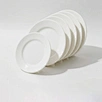
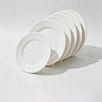
Serving Dish Melamine
Model NO :
KW26203-02
Delivery :
EXW/FOB/CIF/DDP
minimum order :
500 pieces
Supply Ability :
1000000pieces / Month
Stock Time :
30-45Day
Quantity :
| DETAIL INFO | |
| Item No. | KW26203-02 |
| Material | 30%melamine/100%melamine |
| Size |
6/7/8/9/10/11/12/13/14/15/16inch
Customized Size
|
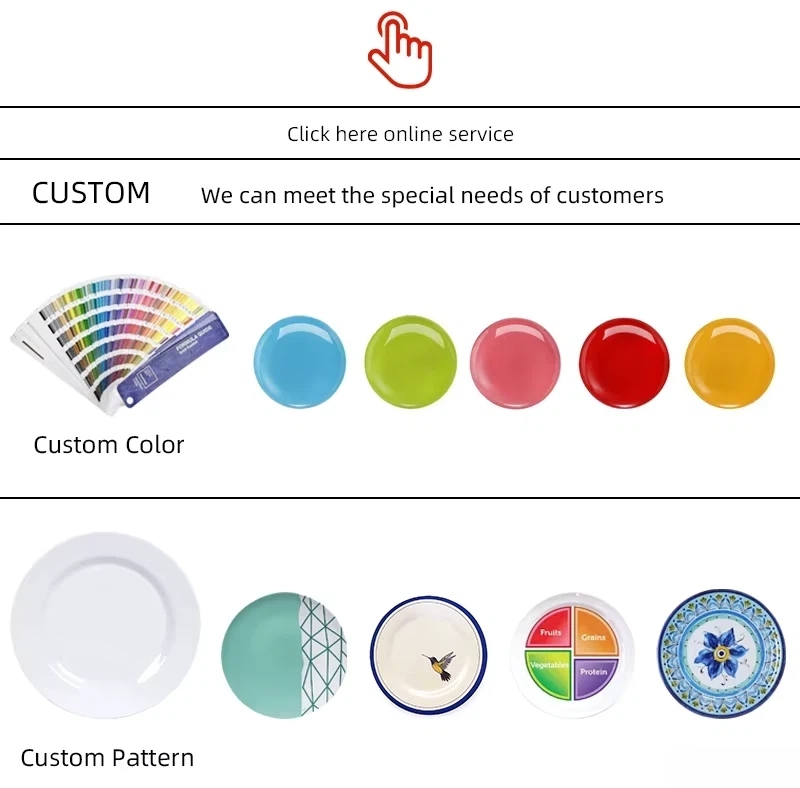
| Colors | Wood Printing/Solid/Customized Color |
| MOQ. | 100 Pcs |
| Port | Xiamen/ To Be Negotiated |
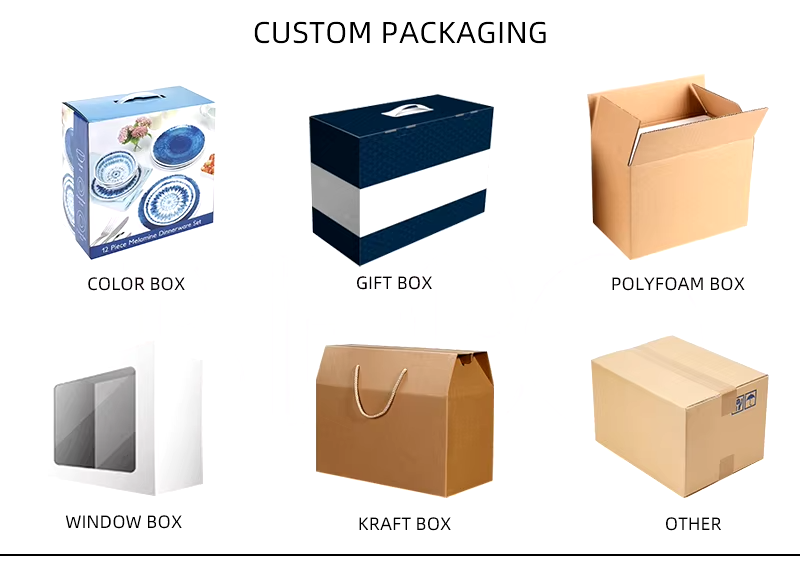
| Packing | Regular Safe Packing/ Color Box / Costomized Packing |
| Printing | Just Provide Yours Artwork |
| Logo | Acceptance |
| OEM&ODM | Acceptance |
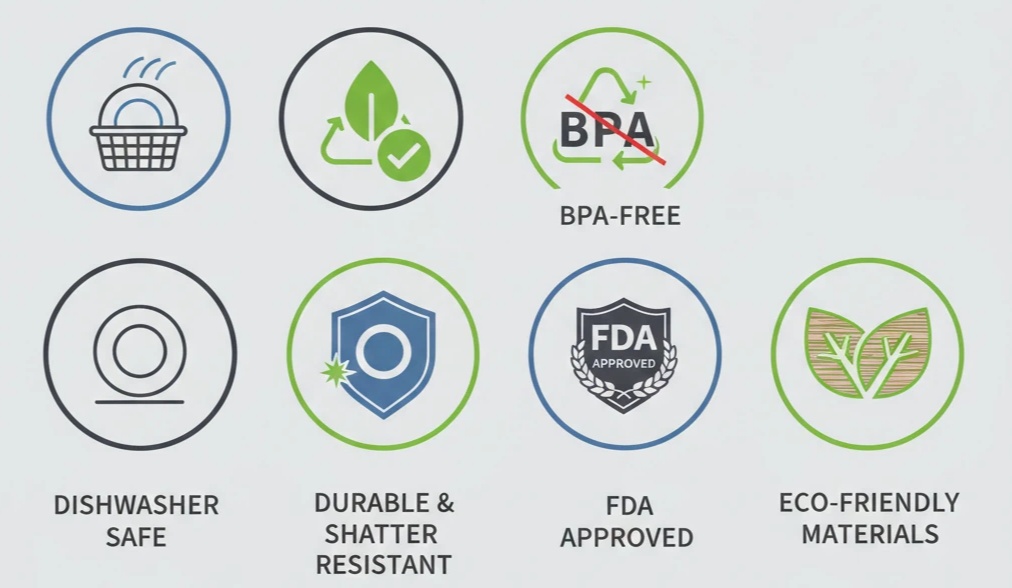
| Feature | BPA-Free/Dishwasher Safe |
| Production Lead Time |
10-45days
|
| Delivery Time |
By sea , 25-55days
By Air , 5-15days
|
| Sample Time |
7-14days
|
I. Product Quality & Performance
Q1:What is the temperature resistance of your melamine products?
A: Our products are safe for use within a temperature range of -20°C to +120°C. They are ideal for serving both cold and hot foods and are fully compatible with industrial high-temperature dishwashers.
Q2:Why should I choose melamine over ceramic or plastic?
A: Melamine offers the premium look and feel of ceramic but is significantly more shatter-resistant and lightweight. For high-traffic commercial environments, this translates to a much lower replacement rate and improved safety for staff and guests.
II. Safety & Compliance
Q3:Why should I choose melamine over ceramic or plastic?
A: Absolutely. Our products comply with FDA (USA), LFGB (Germany/EU), and other global food contact regulations. We regularly undergo testing by third-party labs such as SGS, Intertek. Lab reports are available upon request.
Q4:Is melamine tableware microwave or oven safe?
A: No. While melamine is highly heat-resistant, prolonged exposure to microwaves or ovens can damage the material structure. We recommend using melamine strictly for serving; for heating, please use microwave-safe containers.
Q5:Are your products BPA-free?
A: Yes, all Kingwell melamine products are BPA-free and non-toxic, ensuring no harmful chemicals migrate into food even under high-frequency commercial use.
Recommend Products
 Different Size Melamine Wine Cup Holder PlateThese are melamine wine cup holder plate, we provide with different sizes and customised designs printing. They are with food safety and dishwasher safety.KW28042Send Inquiry
 High-end Melamine BowlMaterial :PP+TPR Certification:FDA/ ISO9001 OEM&ODM:Acceptance Features:dishwasher safe、BPA-free Size:11.5*6cm/14*6.5cm/16.5*8cmKW26130-02Send Inquiry
 Anti-slip Serving TrayMaterial :PP+TPR Certification:FDA/ ISO9001 OEM&ODM:Acceptance Features:dishwasher safe、BPA-free Size:42*29*4cm,365g 45*32*4.5cm,395gKW26130-01Send Inquiry
 Melamine Restaurant Catering PlateMaterial :100%melamine Certification:FDA/ ISO9001/LFGB/EU 1935/2004 OEM&ODM:Acceptance Features:dishwasher safe、BPA-freeKW26126-02Send Inquiry